Writer and historian Wallace Stegner once called the national parks
"the best idea we ever had. Absolutely American, absolutely
democratic, they reflect us at our best rather than our worst." But
how did this revolutionary concept come to be? The story of America's
National Parks is one of visionary thinking, political courage, and a
deep love for the wild places that define our nation.
The Birth of an Idea
In the mid-1800s, America was rapidly expanding westward. As settlers,
miners, and loggers pushed into new territories, they encountered
landscapes of breathtaking beauty—and immediately began exploiting
them. Forests were clear-cut, wildlife was hunted to near extinction,
and natural wonders were sold to private interests.
But a counter-movement was brewing. Artists like Thomas Moran and
Albert Bierstadt painted romantic visions of the American West,
capturing public imagination. Writers like Henry David Thoreau
championed the spiritual value of wilderness. And explorers returned
from expeditions with tales of geysers, canyons, and ancient forests
that seemed almost mythical.
Yellowstone: The World's First National Park
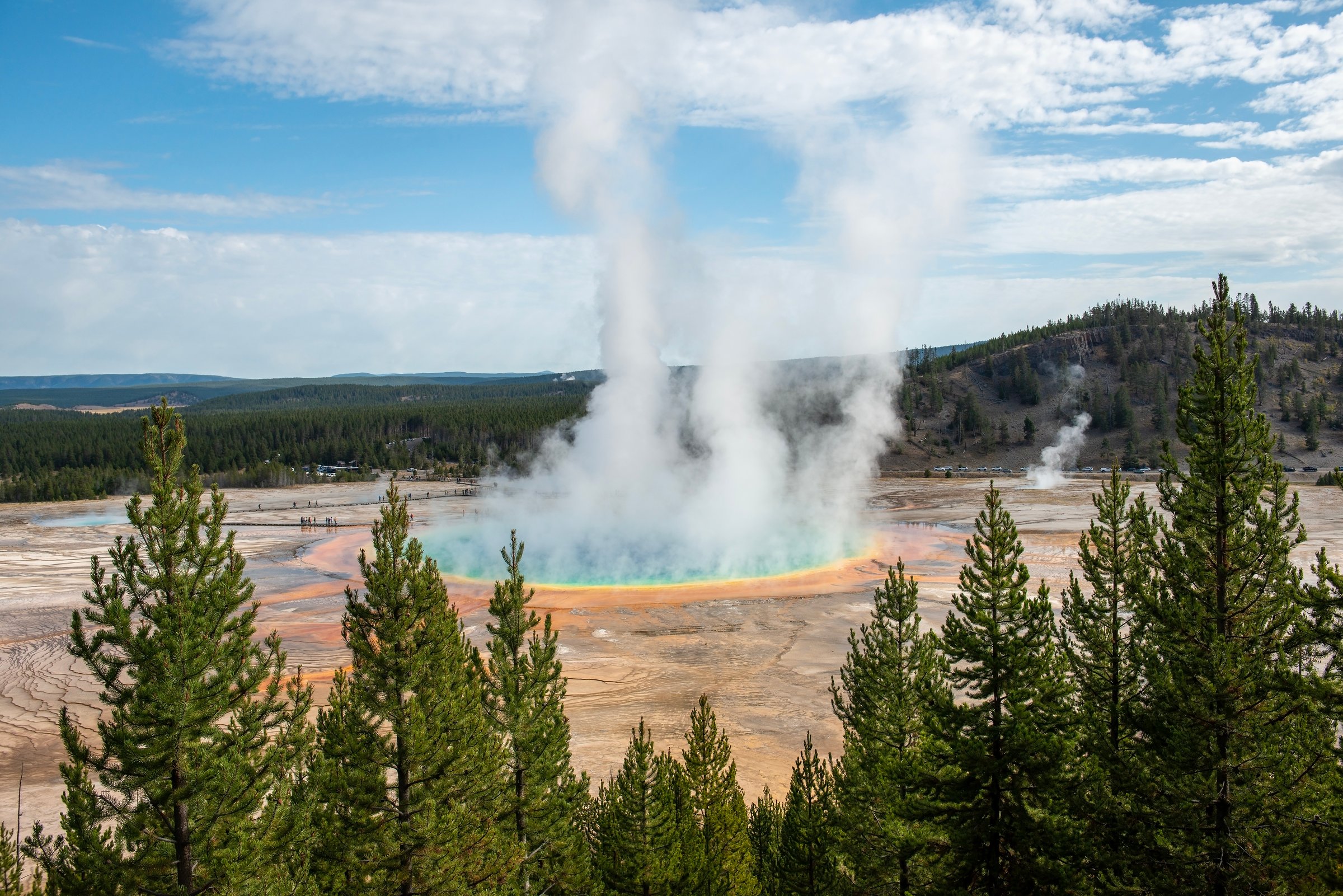
Yellowstone's geothermal wonders inspired the world's first national
park in 1872
On March 1, 1872, President Ulysses S. Grant signed the Yellowstone
National Park Protection Act into law. It was an unprecedented
action—never before had any government set aside land purely for
preservation and public enjoyment. The act declared that Yellowstone
would be "dedicated and set apart as a public park or
pleasuring-ground for the benefit and enjoyment of the people."
This wasn't just an American first—it was a world first. The concept
that wilderness had intrinsic value worth protecting, that natural
wonders belonged to all citizens rather than wealthy landowners, was
revolutionary. It planted a seed that would eventually spread across
the globe.
"In God's wildness lies the hope of the world—the great fresh
unblighted, unredeemed wilderness."
— John Muir, "Alaska Fragment" (1890)
John Muir and the Conservation Movement
No figure looms larger in the history of American conservation than
John Muir. A Scottish-born naturalist with a prophet's passion, Muir
wandered the Sierra Nevada and fell deeply in love with Yosemite
Valley. His writings—part science, part poetry, part sermon—awakened
Americans to the spiritual significance of their wild lands.
In 1892, Muir founded the Sierra Club, which became a powerful voice
for preservation. His friendship with President Theodore Roosevelt
proved pivotal. In 1903, the two men camped together in Yosemite for
three nights. Under the stars, surrounded by giant sequoias, Muir
convinced Roosevelt that the federal government must do more to
protect America's natural heritage.
Theodore Roosevelt: The Conservation President
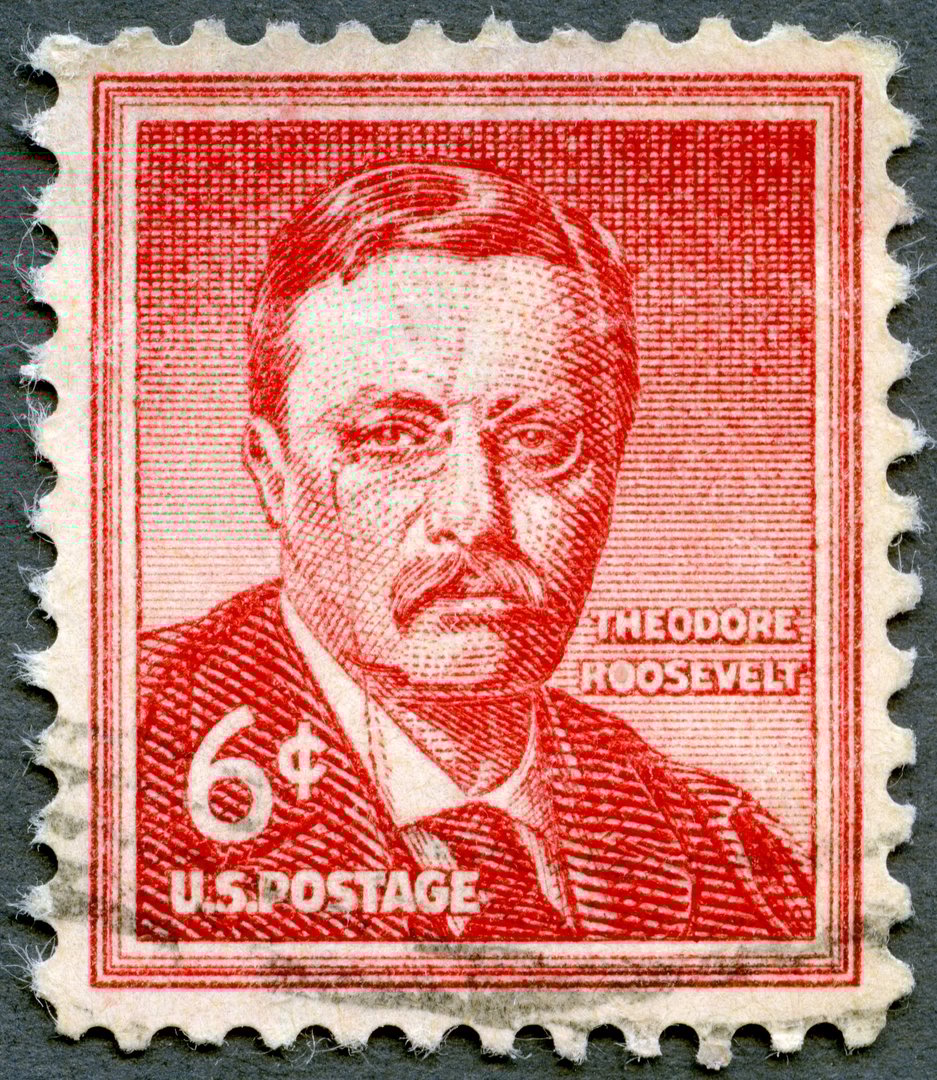
Theodore Roosevelt, the "Conservation President"
Roosevelt took Muir's message to heart. During his presidency
(1901-1909), he established 5 new national parks, 18 national
monuments, 55 national bird sanctuaries and wildlife refuges, and 150
national forests. In total, he protected approximately 230 million
acres of public land—an area larger than the entire state of Texas.
Roosevelt saw conservation not just as an environmental issue, but as
a moral one. "The nation behaves well if it treats the natural
resources as assets which it must turn over to the next generation
increased, and not impaired, in value," he declared.
The National Park Service Is Born
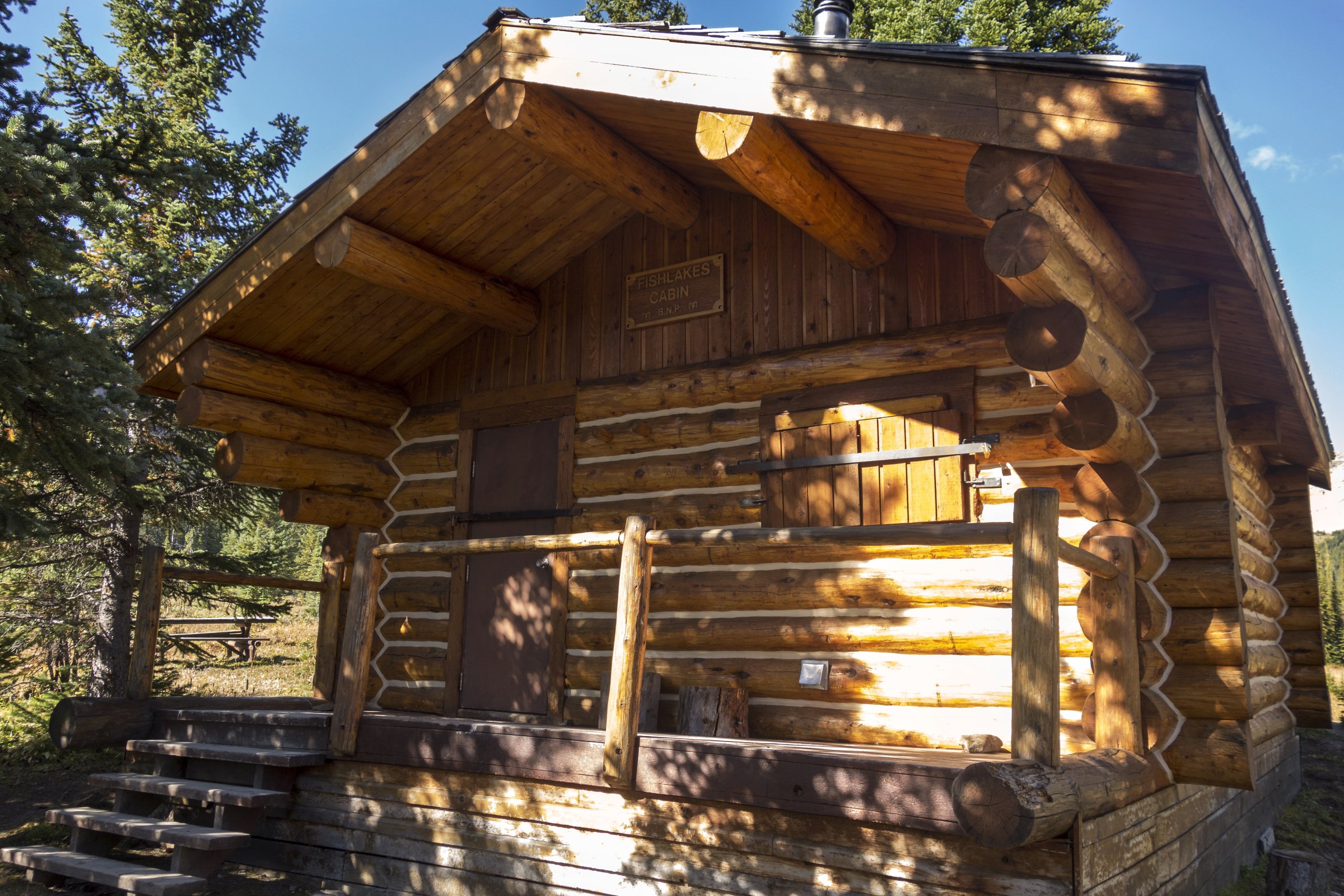
Early park ranger stations helped protect America's wild places
By 1916, there were 35 national parks and monuments, but no unified
system to manage them. Each park operated independently, with
inconsistent policies and varying levels of protection.
Conservationists lobbied for change, and on August 25, 1916, President
Woodrow Wilson signed the National Park Service Organic Act.
The act created the National Park Service within the Department of the
Interior, with a mission "to conserve the scenery and the natural and
historic objects and the wild life therein and to provide for the
enjoyment of the same in such manner and by such means as will leave
them unimpaired for the enjoyment of future generations."
Stephen Mather became the first NPS director, and his vision shaped
the service for decades. He believed parks should be accessible to all
Americans, not just the wealthy elite. He built roads, established
campgrounds, and promoted tourism—while also fighting to protect the
parks from commercial exploitation.
The System Today
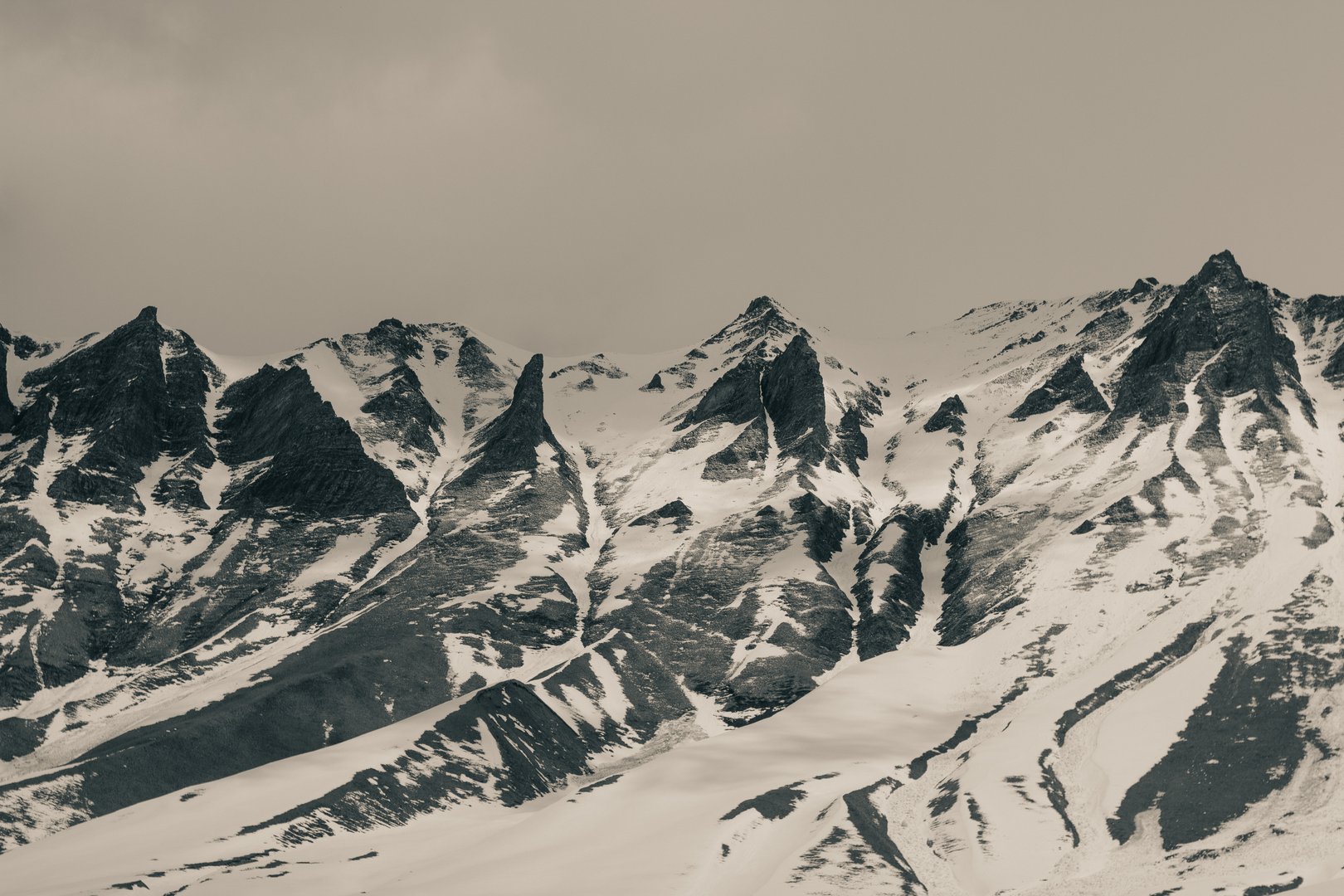
Today's National Park System protects over 85 million acres of
America's most stunning landscapes
Today, the National Park System encompasses more than 400 sites
covering over 85 million acres across all 50 states and several U.S.
territories. These include 63 designated national parks, along with
national monuments, battlefields, seashores, recreation areas, and
historic sites.
Each year, nearly 300 million visitors experience these treasured
places. They hike the Grand Canyon's trails, watch Old Faithful erupt,
stand in awe before El Capitan, and find solitude in the vast
wilderness of Alaska. For many, these visits become defining
moments—encounters with beauty and wonder that shape who they are.
A Sacred Trust
The national parks represent something profound about the American
spirit—a recognition that some things are too valuable to be bought
and sold, that wild places have worth beyond what can be extracted
from them, and that we have a responsibility to pass on these gifts to
our children and grandchildren. As someone who encounters God in these
wild places, I believe our national parks are more than just scenic
landscapes. They're sacred spaces where we can step away from the
noise of modern life and experience something transcendent. They
remind us of our place in creation and connect us to something far
greater than ourselves.
— Than
Founder, Awestruck Outfitters